Everybody Wants to Know How Much Home Bakers Make. Why Is It So Hard to Get a Straight Answer?
Three bakers, three kinds of money claim, and one old survey with a very different answer. Why "how much do home bakers make" has no one-line reply.
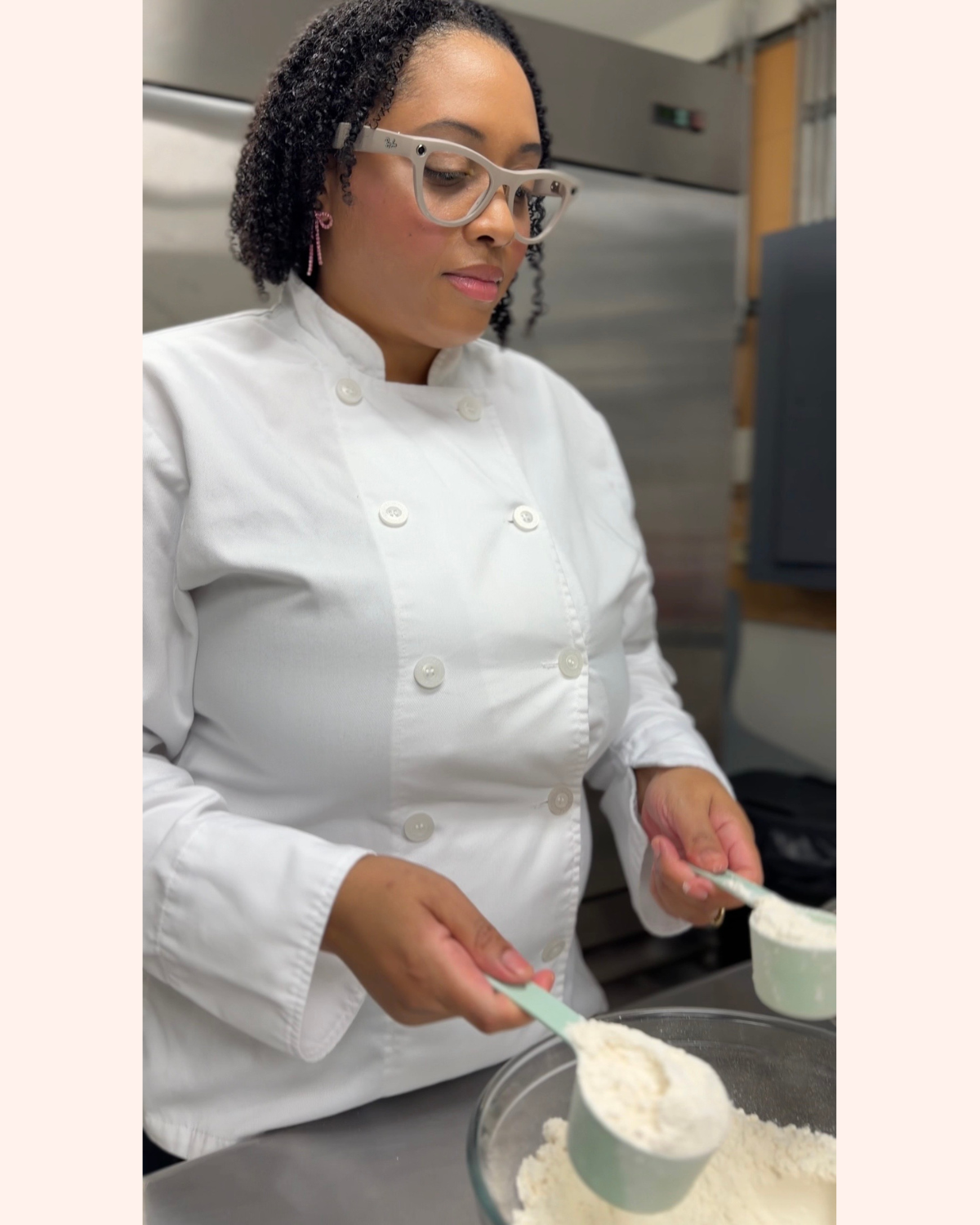
Three home bakers appear in the same New York Times story, which the Boston Globe carried, from January, each with a money claim, and none of the claims lines up with the others.
Marcelle Malkin, who runs Fort Mill Sourdough in South Carolina, says her business now matches the six-figure salary she left. Bonnie Ohara, of Alchemy Bread in Modesto, California, grosses up to $95,000 a year. Macey Merlak, who began selling loaves in Illinois in 2023, now earns most of her income from social media, including a recipe book that brought in $150,000.
A salary equivalent. A gross. Money from a different business entirely. Try averaging those. The story tucked its own finding in beside them: most sourdough microbakers are not earning six figures.
If "how much do home bakers make" were a simple question, those three sentences would have answered it.
Three numbers wearing one name
Revenue is everything customers paid. It is the easiest number to know and the one people quote. Even revenue has footnotes: the IRS counts some collected sales tax inside gross receipts and some outside, depending on whose tax it is. And state limits on cottage food sales use the word in different ways. Florida sets its limit at $250,000 in gross sales. Michigan's law sets $50,000 in gross sales, or $75,000 for products priced at $250 or more a unit, and lets the state adjust those figures for inflation. Maryland just raised its limit from $50,000 to $100,000 in "annual revenues," a phrase its statute does not define further. Colorado is changing from $10,000 in net revenue from each eligible food product to $150,000 in gross revenue from everything sold under the law, starting January 1, 2027. Same dollar sign, four definitions. We go through this year's changes in our report on cottage food law.
Profit is what is left after business expenses, gross income minus expenses in the IRS's terms. It is the number that says whether a business works, and the one people publish least, because it is private and easy to argue with.
Take-home income is what actually lands in a life, and it is not profit either. Self-employed people owe self-employment tax, a 15.3 percent levy for Social Security and Medicare figured from net profit, on top of income tax. (That is a description, not tax advice.) No accounting number also counts the hours.
A survey, with limits
There is at least one real survey of home bakers, and its answers are much smaller than the profiles.
In late 2017, the Institute for Justice, a public-interest law firm that has fought restrictive cottage food laws, published results from a survey of 775 registered cottage food producers in 22 states, run for it by the polling firm WPA Intelligence. The questions covered 2016. Among the people who answered, median sales were $2,000 and median profit was $500. Median start-up money was $500. They averaged about 15 hours a week on their businesses, and most reported no employees. Median household income among respondents was $36,000, against $59,039 nationally.
Read the limits before the numbers. The data describes 2016. It covers only producers who registered with their states, and the report itself says its results do not apply to people who were not required to register. And the survey came from an advocacy group, though one that published its methods. It is a snapshot of one set of respondents. It does not describe all cottage bakers, and it does not describe the bakers in the profiles above.
Why the answers don't touch
Put the profiles next to the survey and the contradiction mostly disappears. A newspaper chooses its subjects for a story, and a survey draws its respondents from a list. Registered producers can be thriving too, and some of the bakers in the profiles may well appear on a registry. The point is only that each account describes the people it happened to reach, and neither describes all cottage bakers.
And the word at the center keeps shifting. "Earn" can mean what came in, what was left after the costs, or what it paid for a life. Most home bakery claims never say which. Until one does, it is not an answer to the question. It is a mood.