When Cottage Food Laws Are Supposed to Help Small Bakers, Why Can They Still Be So Confusing?
In Wisconsin a home baker can sell a chocolate chip cookie but not fudge. Roughly 70 programs across 50 states, with different rules on foods, caps and channels, explain why the laws are hard to read.
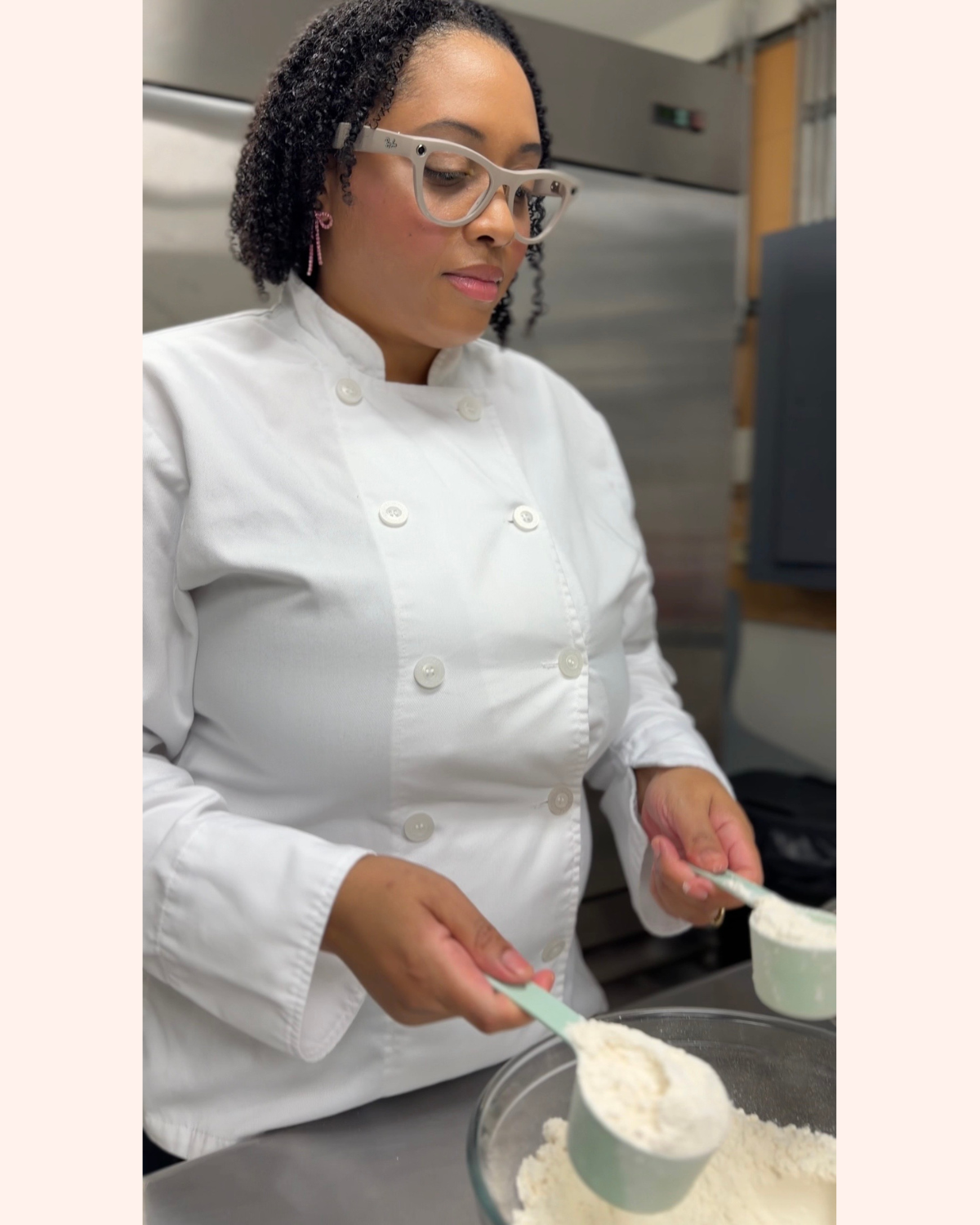
In Wisconsin, a home baker may sell a chocolate chip cookie. A home baker may not sell a Rice Krispies Treat.
In April 2025, the Wisconsin Supreme Court declined to hear a challenge to the state's ban on selling homemade foods such as fudge and Rice Krispies Treats, which leaves the ban in place. The Institute for Justice, a public-interest law firm that represented the sellers and has pushed for looser cottage food rules, says the cookie is legal because of a 2017 court ruling striking down the ban on shelf-stable baked goods, and that the ban on other shelf-stable foods, like candy and roasted coffee beans, was never lifted.
Wisconsin Public Radio reported in 2017 that lawmakers had taken up a "cookie bill" three times without passing it, and one advocate said the legislative route had gotten nowhere. A court did what the legislature had not, for one category of food.
Wisconsin is an extreme case. It is not an isolated one.
Nearly seventy programs, not fifty laws
Cottage food law sounds like one thing per state. The Institute for Justice's Baking Bad report grades "nearly 70 different programs" across the 50 states and the District of Columbia. Some states run several at once.
California has three. Vermont has three, and so do Oregon and Utah. The institute grades how permissive each program is, using criteria based on its own model law, and the grades inside one state can be far apart. In its 2022 table, Vermont's programs earned a B, a C and a D-plus. Oregon's earned a B-minus, a C and a D-plus. The institute is an advocate, so treat its grades as one view of what "permissive" means. But the counting point does not depend on the grading.
If a state has three programs, "what does my state allow" has three answers.
The same cookie, five questions
Look at how the programs differ and the confusion is easy to explain. A baker's question, can I sell this, quietly contains several.
What? In 2022, according to the institute, 19 states limited sellers to a list of approved foods. Vermont and Wisconsin allowed baked goods but not other shelf-stable foods such as candy. In other words, a baker could sell chocolate chip cookies but not chocolate.
How much? In 25 states, the institute counted annual revenue caps, from $3,000 for pickled foods in Virginia to $250,000 in Florida and Wyoming.
Where? Eight states barred online sales and 15 barred mail delivery. Florida shows how the pieces mix. Its agriculture department says cottage food operators may sell on a website, by mail order or in person, with gross sales up to $250,000 a year. It also says cottage foods cannot be sold wholesale.
To whom? That last sentence is its own category. A rule that allows sales to a customer but not to a café that would resell the same cookie is a different rule from one that allows both.
Under what oversight? Some programs require inspections, registration or training, and some do not. The institute also looks at whether a state overrides local rules. Idaho's new act, covered in our report on 2026 changes, says cities and counties cannot be stricter than the state on the foods it covers. The institute scores states that explicitly override local rules higher, on the reasoning that local ordinances can otherwise add their own.
The maps age fast
The tools meant to cut through the confusion are dated, too. The institute's numbers above come from March 2022. The Harvard Food Law and Policy Clinic's fifty-state table was updated as of December 2021. The institute said in 2022 that more than a dozen states had loosened their rules during the pandemic's first two years, and, as we reported, five states changed their rules in 2026.
So a baker, or a reporter, who reads a ranking gets a snapshot of laws that have since moved. The clinic itself calls its table a starting point, not legal advice, and that is fair.
What the confusion is made of
None of this is a failure of anyone's intent. Laws written for the smallest businesses were meant to be simple, and each state made them simple in its own way, one rule at a time. The result is a set of laws that are each reasonable and, side by side, nearly impossible to compare.
The best advice the evidence supports is modest: the state agency that administers the law is the authority, and a ranking, including this one, is only where to begin asking.